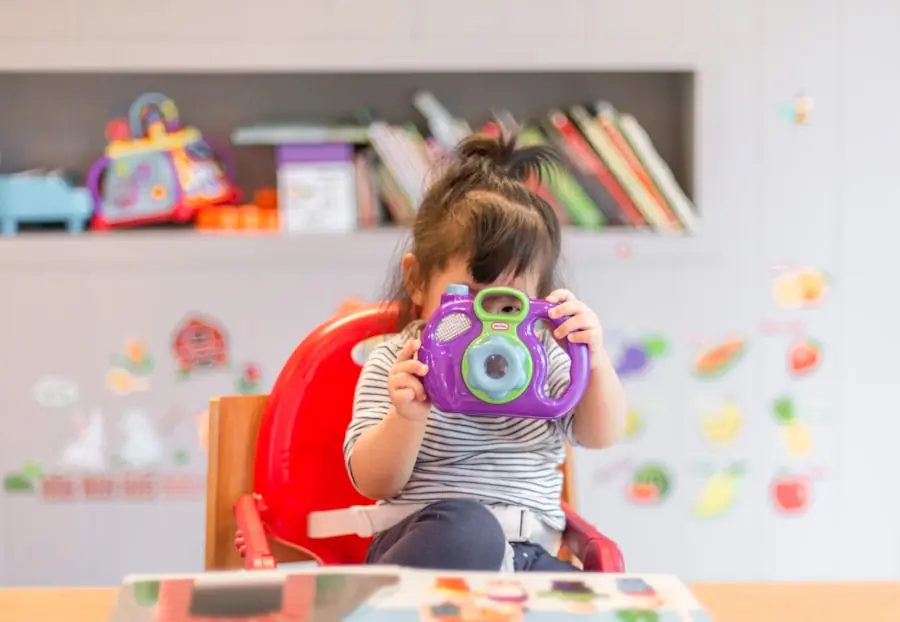
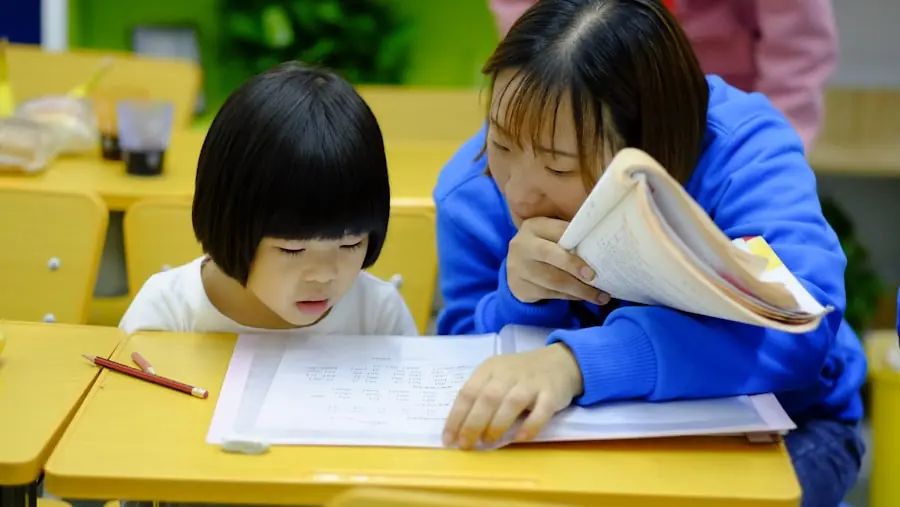
You say your child's name and they glance away. You try to catch their gaze during play and they look at the toy instead of you. Other parents don't seem to notice this in their children. You're wondering if this means something — and if so, what.
What parents often notice first
Most parents don't start thinking about eye contact until someone else mentions it — a grandparent, a nursery teacher, or a well-meaning friend. Once you notice it, you start to see it everywhere. The important thing is to observe it in context: shy children, tired children, and highly focused children can all avoid eye contact without it meaning anything developmental.
When reduced eye contact may matter
Some children naturally use less eye contact. Some avoid looking when they feel shy, tired, anxious, overloaded, or very focused on an object. In autism, reduced eye contact is usually one part of a broader social-communication pattern.
Look for connection, not just looking
A child may connect through gestures, sounds, body movement, smiles, bringing objects, or shared play. Eye contact is only one signal.
Notice the full pattern
More concern is reasonable when reduced eye contact appears with limited pointing, weak name response, delayed gestures, repetitive play, or strong sensory reactions.
What parents should watch together
- Does your child respond to their name in everyday settings?
- Do they point, show, wave, reach, or use other gestures?
- Do they share enjoyment, bring things to show you, or look where you point?
- Do they use language mainly for requests, or also for social connection?
- Do they avoid looking more when places are noisy, bright, crowded, or stressful?
How to support eye contact without forcing it
Forcing eye contact can make interaction harder for some autistic children. A better goal is shared attention and communication.
- Play face-to-face with a favorite toy, song, or movement game.
- Hold interesting objects near your face, but do not demand "look at me."
- Respond warmly to any communication attempt: glance, gesture, sound, picture, or word.
- Use short language and pause so your child has time to respond.
- Track when looking is easier or harder, especially around sensory triggers.
What to do next
If reduced eye contact appears with other developmental concerns, ask a pediatrician or developmental professional about screening. You can also organize observations in the Nesto app and bring those notes to your local professional.