

5 Home Activities That Help Autistic Children Build Skills
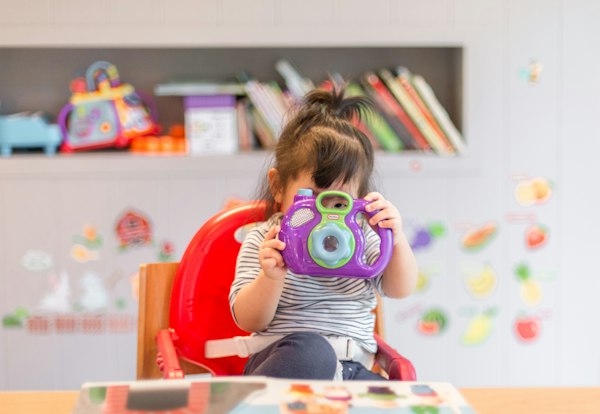
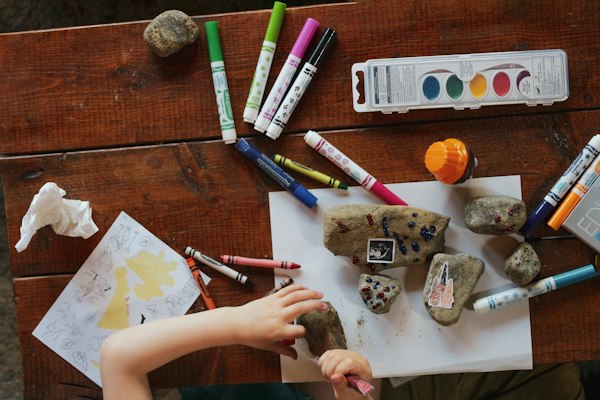
Simple, structured play activities you can do at home — from sensory bins to turn-taking games — that support communication, focus, and daily living skills for children with autism.

Practical, evidence-based articles for families worldwide, with local notes where health systems, schools, and services differ by country.
Understanding the early developmental signs of autism can help parents seek timely support. Learn the key social, communication, and behavioral red flags observed in children aged 12–36 months, as outlined by the CDC.
Simple, structured play activities you can do at home — from sensory bins to turn-taking games — that support communication, focus, and daily living skills for children with autism.

A step-by-step guide for parents navigating autism screening worldwide — what tools doctors use, when to screen, and how to adapt the pathway to your local health system.
Predictable routines reduce anxiety and increase independence. Learn how to create a visual daily schedule, manage transitions, and handle unexpected changes with calm strategies recommended by Autism Speaks.
Consistent home tracking can make progress easier to notice and discuss. Discover simple methods to document milestones, celebrate wins, and communicate observations with your child's support team.
From reduced eye contact to delayed babbling — parents often notice something is different before any formal diagnosis. Here are the earliest developmental differences to watch for, and what to do next.
Not all speech delays point to autism — but some patterns do. Learn the key differences in communication milestones, social engagement, and red flags, with guidance from ASHA and CDC.
By 12 months, most children reliably respond to their name. When they don't, it can be one of the earliest observable signs of autism. Learn what to look for and what to do next.
Meltdowns and tantrums look similar but require different responses. Understand the key differences, early warning signs, and proven calm-down strategies to support your child.
Up to 90% of autistic children experience sensory differences — sounds too loud, textures unbearable, lights overwhelming. Learn what's happening and six practical strategies to help at home.
Up to 80% of autistic children struggle with sleep. Discover why sleep is harder for autistic brains — and six evidence-backed strategies to build a calmer bedtime routine.
Around 70% of autistic children have significant food selectivity — rooted in sensory sensitivities, not willful behaviour. Learn safe, pressure-free strategies to expand your child's diet.
Reduced eye contact can worry parents, but it is not a diagnosis by itself. Learn what else to watch for and how to support connection without forcing eye contact.
Hand flapping can be a way to regulate excitement, stress, or sensory input. Learn when it may matter, what else to observe, and how to respond safely.
Toilet training can take longer when sensory comfort, body awareness, routine, or communication are difficult. Use readiness signs, visual steps, and calm practice.
A practical guide for parent-teacher conversations: what to share, what to ask for, and how to build classroom support without blame or confusion.
Nesto Autism Care brings everything together — screening, personalized daily activities, knowledge library, and progress reports — for families worldwide.